The Cultural Mosaic of the 2026 World Cup Host Cities
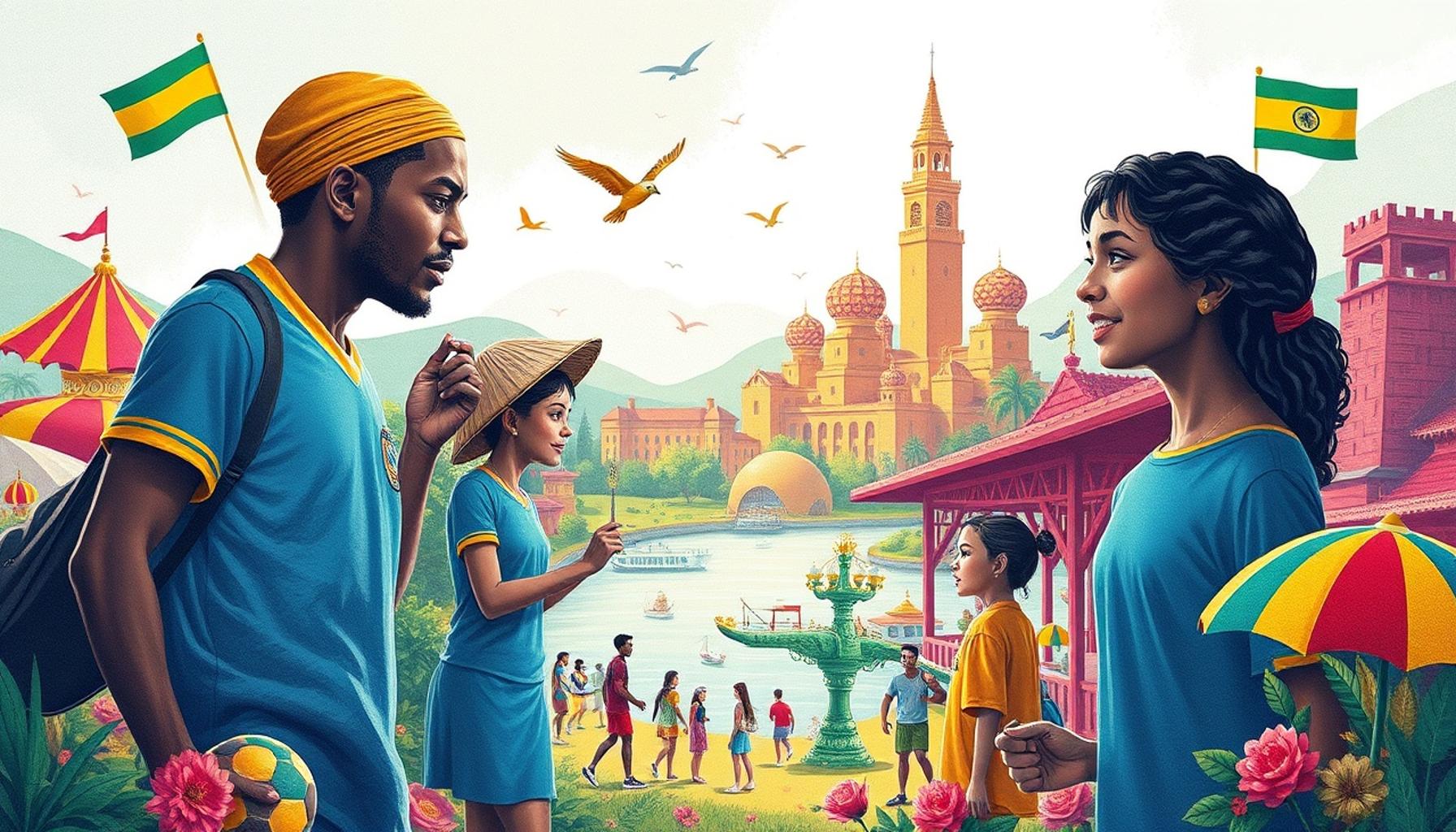
The excitement is building as the 2026 World Cup approaches, showcasing a unique chance to celebrate human connection through sport. The host cities—spanning across the United States, Canada, and Mexico—are a vibrant reflection of global diversity. Each city will not only serve as a venue for thrilling matches but also as a stage for an array of cultural experiences.
Football enthusiasts will find themselves immersed in a rich tapestry of traditions that provide insights into the local culture and way of life. The event promises to elevate the global spirit of unity and camaraderie, creating an atmosphere charged with excitement and shared joy.
New York City
New York City, often described as the cultural capital of the world, is a compelling example of America’s diversity. With over 800 languages spoken, it is a live exhibition of cultures. Visitors can savor dishes from every corner of the globe in neighborhoods like Chinatown, Little Italy, and Astoria. The city’s renowned street food scene features diverse offerings, from halal carts to Puerto Rican mofongo, making it a culinary adventure. Beyond cuisine, the city’s cultural landmarks, including the Museum of Modern Art and Broadway theaters, showcase artistic expressions from various cultural backgrounds.
Los Angeles
With its glitzy allure, Los Angeles is more than just the heart of the entertainment industry. It’s an immense cultural mosaic, where communities like Koreatown and Little Ethiopia flourish among others. The arts scene is thriving, with institutions like the Getty Center and local galleries spotlighting diverse talents. The city’s open-air markets, such as Grand Central Market, serve as a melting pot of food cultures, from tacos to artisanal pizza, representing the city’s rich immigrant tapestry.
Toronto
Often celebrated as one of the most multicultural cities in the world, Toronto stands out for its vibrant festivals and cultural events. The city hosts numerous festivals throughout the year, such as Caribana, which celebrates Caribbean heritage, and the Toronto International Film Festival, showcasing global cinema. Neighborhoods like Kensington Market and the Distillery District are alive with local crafts, street performers, and worldwide cuisine, allowing visitors to experience rich narratives that reflect the city’s diverse heritages.
Mexico City
A city teeming with contrasts, Mexico City beautifully bridges ancient traditions with modern innovations. Historic sites, such as the ancient ruins of Templo Mayor, sit alongside contemporary art installations, like those found in the vibrant neighborhoods of Roma and Condesa. Mexican cuisine—recognized by UNESCO as an Intangible Cultural Heritage—pairs with the city’s lively street culture, where vendors serve tacos and chilaquiles on nearly every corner. These cultural intersections offer visitors a chance to explore the profound history and dynamic future of this thriving metropolis.
Beyond the thrill of the game, the 2026 World Cup will provide a platform for cultural exchange. Fans from all walks of life will mingle, share stories, and create lasting memories. This event promises to be more than just a tournament—it will be a celebration of our shared humanity. As we look ahead to this global sporting event, it is clear that the host cities will not merely function as backdrop but as integral contributors to the experience, inviting fans to venture beyond the matches and into the rich local cultures that define them.
Exploring the Local Flavors and Traditions
As the countdown to the 2026 World Cup continues, the unique cultural characteristics of each host city are drawing significant attention. This tournament will not only spotlight the world’s greatest football talent but also the diverse traditions that define the local communities. From the eclectic neighborhoods to the global gastronomy, the host cities will transform into vibrant cultural canvases. Let’s delve deeper into what makes each of these cities a melting pot of spectacular experiences.
Cultural Festivals and Celebrations
During the tournament, visitors will have the chance to witness a variety of cultural festivals that reflect the rich heritage of each host city. These celebrations often include:
- Street Fairs: Many neighborhoods will host street fairs showcasing local crafts, music, and cuisine, allowing fans to immerse themselves in the local culture.
- Parades: Expect vibrant parades that boast colorful costumes and lively performances, particularly in cities with significant community events like Toronto’s Caribana.
- Art Exhibitions: Museums and galleries in cities such as New York and Los Angeles will feature exhibitions that emphasize the connection between sport and artistic expression.
Food: A Gateway to Cultures
Food serves as one of the most accessible forms of cultural expression, and each host city offers its own culinary delights that reflect its diverse population. Fans can expect a wide array of culinary experiences, including:
- New York City: Sample everything from bagels to dumplings, highlighting the city’s multifaceted immigrant influences.
- Los Angeles: Enjoy a fusion of global food trends, with options ranging from gourmet tacos to vegan delicacies.
- Toronto: The city’s diverse food scene features cultural dishes including Indian butter chicken and Jamaican patties, illustrating its immigrant story.
- Mexico City: Indulge in authentic Mexican fare, such as mole and tamales, paired with street vendor treats that represent the city’s rich culinary history.
Moreover, local eateries and food trucks are expected to present their best offerings during the World Cup, further enhancing the experience for international visitors and fans. Culinary tours will be organized to allow fans to taste authentic dishes and learn about the cultural significance behind them.
The 2026 World Cup is set to be more than a series of matches; it’s an opportunity for cultural exchange that can bring people together, bridging gaps through shared meals and celebrations. With upcoming events in these dynamic cities, fans have a unique chance to explore not just the world of football, but the world’s cultures right at their doorstep.
The Cultural Diversity of the 2026 World Cup Host Cities
The 2026 FIFA World Cup marks a historic occasion as it will be jointly hosted by Canada, the United States, and Mexico, ushering in a unique opportunity to celebrate cultural diversity. Each host city brings with it a rich tapestry of traditions, languages, and culinary delights that will be showcased during this global sporting event. This convergence of cultures not only elevates the excitement of soccer but also serves as a platform for cultural exchange, promoting unity among diverse groups.
In cities like New York, the world’s melting pot, fans will experience multifaceted cultural offerings, from street fairs to ethnic neighborhoods that reflect the city’s diversity. Similarly, cities such as Toronto are home to vibrant immigrant communities, ensuring an inclusive atmosphere that welcomes fans from around the globe. With major venues like the iconic Azteca Stadium in Mexico City, the cultural experience of the 2026 World Cup will undoubtedly be one to remember.
| Cultural Aspects | Experiential Benefits |
|---|---|
| Diverse Culinary Experiences | Fans can enjoy a multitude of global cuisines from various cultures represented in the host cities. |
| Traditional Music and Dance | Cultural events will feature local music and dance performances, enhancing the festive atmosphere. |
| Art and Exhibitions | Art exhibitions will highlight the history and culture of the communities, fostering appreciation among fans. |
| Language & Communication | Interactions among fans from different backgrounds promote language exchange, enriching the overall experience. |
This enriching cultural blend will not only enhance the experience of the tournament but also foster connections and friendships among soccer enthusiasts worldwide. As the world gathers to celebrate the beautiful game, the cultural diversity of the host cities will play a pivotal role in making the 2026 World Cup a truly unforgettable event.
Art and Music: The Heartbeat of Host Cities
As the world converges on North America for the 2026 World Cup, art and music will play pivotal roles in showcasing the cultural diversity of the host cities. Each location will provide a backdrop for a unique fusion of sounds and visual expressions that can only be found in their local environments. Fans will be treated to an array of artistic endeavors, from street performers to grand concerts that will elevate the atmosphere surrounding the tournament.
Street Art and Murals
The host cities are bold canvases for street artists who use their talents to depict social issues, celebrate cultural heritage, and convey stories of the communities they represent. Notable neighborhoods, such as Bushwick in New York City and the Arts District in Los Angeles, are known for their vibrant murals that add depth and character to the urban landscape. Event organizers are expected to capitalize on this local art scene by incorporating live mural painting into festivities, inviting international artists to collaborate with locals and create murals that speak to the tournament’s spirit of unity.
Live Music Events
The music scene in each host city will also be a major highlight during the World Cup. Fans can anticipate:
- Pop-up Concerts: Cities like Miami and New Orleans are expected to host a series of pop-up concerts, showcasing local musicians and global stars alike. These free events will amplify the tournament’s celebratory nature.
- Cultural Music Festivals: Expect to see a multitude of genres like jazz in Chicago, mariachi in San Antonio, and hip-hop in the Bronx, highlighting the distinct auditory identities of the various communities.
- Collaborative Performances: Iconic venues such as Madison Square Garden in New York and the Staples Center in Los Angeles are likely to feature special collaborative events where international artists perform alongside local talent, creating unique musical fusions.
Sport as Art: The Intersection of Culture and Athletics
Moreover, the 2026 World Cup poses an exciting opportunity to explore the connection between sport and visual art. Numerous installations across the cities will reflect themes of sport, teamwork, and the celebration of diverse cultures that coincide with the tournament. Exhibitions may include:
- Interactive Installations: Large-scale interactive art pieces that require audience participation, making each visitor a part of the creative process.
- Photographic Celebrations: Galleries may feature photography exhibitions that document the spirit of unity and diversity found in football, echoing the sentiments of fans from various backgrounds.
- Film Screenings: Documentaries focusing on the intersection of culture and sports are likely to be screened in prominent venues, prompting viewers to reflect on the broader narratives of community and global connection.
Art and music, interwoven with the intense atmosphere of the World Cup, will create a rich tapestry of experiences that embody the cultural diversity of each host city. Fans will not only witness unforgettable football matches but also engage with vibrant forms of expression that celebrate the local customs and histories, ultimately transforming the tournament into a multifaceted cultural celebration.
Conclusion: A Tapestry of Cultural Experiences
The 2026 World Cup promises to be more than just a global sporting event; it is set to be a dazzling showcase of the incredible cultural diversity that thrives in North America’s host cities. From the captivating street art of urban neighborhoods to the pulsating rhythm of local music scenes, fans will be immersed in a vibrant tapestry of cultures that reflect the very essence of the communities they encounter.
As the tournament unfolds, the integration of art, music, and sport will highlight the stories of unity and celebration shared by diverse populations. Collaborative performances and interactive installations will not only entertain spectators but also foster connections among individuals from all walks of life. This unique blending of cultural expressions will offer fans an opportunity to engage with the local customs, languages, and histories that define each host city.
Furthermore, the cultural experiences surrounding the World Cup will encourage exploration and appreciation of heritage, inviting fans to discover what lies beyond the football pitch. By embracing the local flavors of art and music, attendees will leave with a deeper understanding of the interconnectedness of global communities, ultimately enriching their festival experience and broadening their perspectives.
As we look forward to this monumental event in 2026, the cultural diversity showcased in the host cities will undoubtedly create cherished memories and foster a lasting sense of global unity, reminding us all of the beautiful power of sport in bridging differences.