
The Automation Revolution in Transportation: Facilitating Urban Mobility and Reducing Congestion
Transforming Urban Mobility
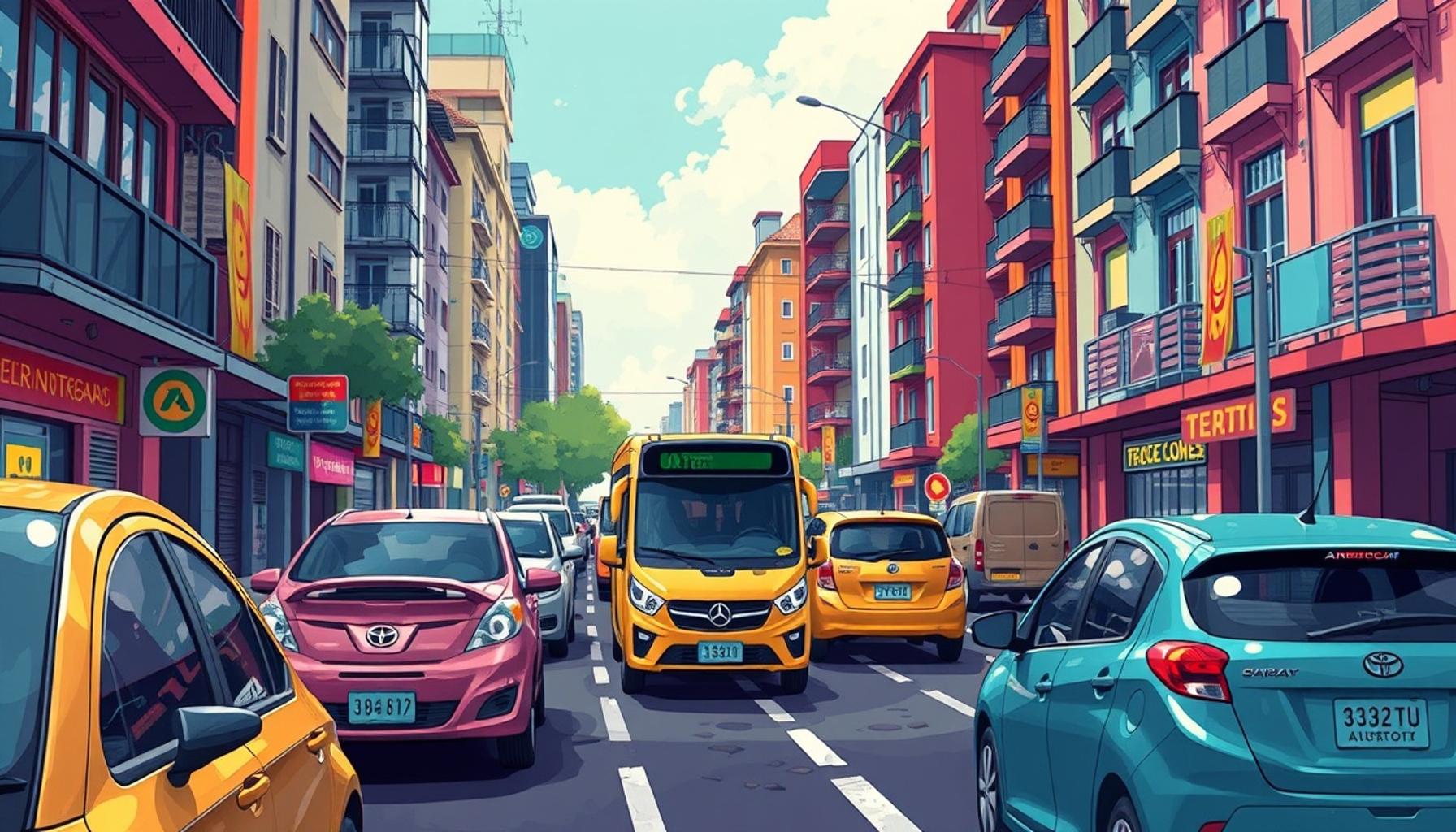
The transportation landscape is undergoing a remarkable transformation driven by automation. Cities across the United States are embracing cutting-edge technologies to enhance urban mobility and tackle the age-old challenge of congestion. As the pace of innovation accelerates, it is essential to explore how these advancements are reshaping urban life.
Consider the following key areas where automation plays a critical role:
- Autonomous Vehicles: Self-driving cars and buses promise to reduce traffic accidents and improve efficiency. Companies such as Waymo and Tesla are pioneering autonomous vehicle technology that relies on sophisticated algorithms and artificial intelligence to navigate without human intervention. The potential reduction in human error could lead to safer roads. For instance, studies show that 94% of car accidents are caused by human error, suggesting that widespread use of autonomous vehicles could drastically reduce this statistic.
- Smart Traffic Management: Intelligent traffic lights and sensors can optimize vehicle flow and minimize delays. Cities like Los Angeles and San Francisco are implementing systems that adapt traffic light signals in real-time based on current traffic conditions. Sensors embedded in roads collect data on vehicle speed and density, allowing for dynamic adjustments that alleviate bottlenecks. This technology not only eases congestion but also reduces emissions by minimizing idling time at lights.
- Shared Mobility Solutions: Ride-sharing and bicycle-sharing programs ease congestion by promoting alternative transportation methods. Companies such as Uber and Lyft, alongside city-sponsored bike-share initiatives, encourage residents to utilize public transit options rather than single-occupancy vehicles. Research indicates that these systems can decrease vehicle miles traveled, significantly reducing traffic and pollution in dense urban areas.
According to recent studies, cities that invest in automated transportation systems can expect significant benefits, including:
- Enhanced accessibility for underserved communities, such as seniors and individuals with disabilities, who may lack reliable transportation.
- Reduction in carbon emissions due to less reliance on gas-powered vehicles as more cities adopt electric and shared transport options.
- Increased productivity by saving time spent in traffic; for example, research from the Texas A&M Transportation Institute indicates that the average American commuter spends more than 54 hours annually in traffic, which could potentially be reduced with automation.
As we stand on the brink of this automation revolution, it becomes increasingly important to understand its implications for urban development. Cities that effectively implement these technologies can create more resilient infrastructures, improve public health by reducing air pollution, and foster economic growth through increased mobility. Through a detailed examination of the innovations shaping transportation, we can discover how they facilitate improved mobility and combat congestion challenges. Dive in as we discuss this fascinating evolution in detail.
Revolutionizing Public Transit
Public transportation systems in urban environments are often the backbone of city mobility, but congestion and inefficiencies detract from their potential. The automation revolution is poised to transform these systems, making them more efficient and accessible. With the advent of autonomous buses and smart transit applications, cities are finding new ways to optimize public transport to meet the needs of their growing populations.
In many metropolitan areas, automated buses are being tested and deployed to enhance public transit. Cities like Seattle and Columbus are piloting self-driving buses that operate on set routes, promising to reduce wait times and increase the frequency of service. These vehicles use advanced sensors and real-time data to navigate traffic, stop at designated points, and avoid obstacles. The effectiveness of these services is further highlighted in studies suggesting that riders are more likely to use public transit if they perceive it as timely and reliable.
The Impact of Automation on Efficiency
Moreover, automation in public transit doesn’t just involve autonomous vehicles; it also encompasses innovative scheduling systems that leverage predictive analytics. With these advanced technologies, transit authorities can anticipate demand surges and adjust service levels accordingly. For example:
- Dynamic Scheduling: Algorithms analyze patterns from historical data to adjust bus and train schedules in real-time. A busy metropolis such as New York City can dynamically allocate more resources during peak commuting hours, minimizing delays and alleviating overcrowding.
- Mobile Transit Applications: Apps that provide real-time information about bus and train arrivals are crucial. They allow commuters to plan their journeys more effectively and reduce the uncertainty often associated with public transit systems.
- Integrated Payment Systems: Automated fare collection and mobile payment solutions are changing the way commuters pay for travel, streamlining the boarding process and reducing wait times at transit stations.
As urban centers grapple with ever-increasing populations, the integration of these automated solutions is imperative. The American Public Transportation Association reports that when public transportation is automated and optimized, cities experience a significant decrease in congestion. It is estimated that for every $1 invested in public transit, cities can expect a return by generating approximately $4 in economic returns through increased accessibility and reduced travel times.
While the promise of automation in public transportation is indeed bright, it also necessitates considerable investment in infrastructure and technology. The transition will be particularly pivotal in cities with antiquated systems that struggle to meet modern demands. As city planners and transportation agencies explore the possibilities of the automation revolution, they must consider not just the technologies themselves but also the broader implications for urban development, equity, and sustainability.
This revolution in public transit represents just one facet of how automation will reshape urban mobility. As we explore further, it will become clear that enhancing public transportation is not merely about technology; it’s about fostering a more connected and efficient urban environment that benefits all residents.
The Benefits of Automated Transportation Systems
As cities continue to expand, the strain on urban mobility systems is becoming increasingly evident. The Automation Revolution in Transportation offers innovative solutions to alleviate congestion and enhance mobility in densely populated areas. Several key benefits emerge from the integration of automated technologies into transportation infrastructures.
Increased Safety
Automated vehicles are engineered with advanced sensors and AI technologies, significantly reducing the likelihood of human error, which is responsible for the majority of traffic accidents. With automated driving systems, we can anticipate a notable decrease in traffic fatalities, presenting a safer urban landscape.
Enhanced Efficiency
Automated transportation systems can optimize traffic flow through real-time data analytics, allowing for adaptive signal control and improved route planning. Such advancements enable quicker travel times and improved overall efficiency, essential for busy urban environments.
Sustainability and Reduced Emissions
The shift towards electric automated vehicles aligns with global sustainability goals. These vehicles produce fewer emissions and are better for the environment compared to traditional gasoline-powered models. This transition not only supports cleaner air but also helps in decreasing the overall carbon footprint of urban transit.
Exploring the Potential of Smart Infrastructure
With the evolution of automated transportation, the development of smart infrastructure becomes imperative. Smart roads equipped with IoT sensors and communication technologies will facilitate interactions between vehicles and infrastructure, leading to more coordinated traffic movement. As cities invest in such digital ecosystems, the potential for seamless urban mobility increases exponentially.
| Advantages | Key Impacts |
|---|---|
| Safety Enhancements | Reduction in traffic accidents and fatalities through automation. |
| Efficiency Improvements | Optimized traffic flow and shorter travel times by leveraging AI. |
| Environmental Benefits | Lower emissions with widespread adoption of electric autonomous vehicles. |
The Automation Revolution in Transportation signals a transformative time for urban mobility. By embracing these technological advancements, cities can pave the way toward a more efficient, safer, and sustainable future in transportation. The roadmap ahead encourages persistent inquiry and exploration into these solutions, promising substantial benefits for citizens and urban environments alike.
Transforming Personal Mobility
The rise of automation in transportation isn’t limited to public transit. It also extends to personal mobility, where technologies like autonomous vehicles (AVs) and ridesharing platforms are redefining how individuals navigate urban spaces. Companies like Waymo, Uber, and Lyft are at the forefront of this transformation, promising to alleviate traffic congestion and enhance safety on the roads.
Autonomous vehicles have gained attention for their potential to reduce accidents, which are often attributed to human error. According to the National Highway Traffic Safety Administration (NHTSA), over 90% of traffic crashes are caused by human factors. As cities embrace AV technology, they may see a significant reduction in these incidents. Furthermore, because AVs can communicate with each other and their environment, they optimize traffic flow by adjusting speeds and routes in real-time to prevent bottlenecks.
The Role of Ridesharing in Urban Mobility
Ridesharing services have also emerged as a game-changer for urban mobility. By allowing individuals to share rides in real-time through mobile applications, these services reduce the number of vehicles on the road, leading to decreased congestion. Key benefits include:
- Improved Access: Ridesharing offers a reliable and economical option for individuals without access to a vehicle. This is especially important in urban areas where public transit may be limited, enabling better connectivity to jobs and services.
- Environmental Benefits: Shared rides contribute to reduced emissions and a smaller carbon footprint. Studies indicate that ridesharing can significantly lower individual vehicle usage, thereby helping cities meet their sustainability goals.
- Last-Mile Solutions: Ridesharing fills in the gaps in public transit, offering convenient options for those traveling to and from hard-to-reach locations. Integrating AVs into these networks could further streamline operations and enhance efficiency.
As ridesharing continues to evolve with the integration of automated technology, analysts predict that these services could redefine urban landscapes. A report by McKinsey & Company estimates that up to 15% of all vehicles on the road will be autonomous by 2030, potentially reducing the overall vehicle population and the need for parking spaces, which occupy valuable urban land.
Challenges in Implementing Automation
Despite the promising benefits, the journey toward a fully automated transportation system is not without its hurdles. Infrastructure needs to evolve to accommodate these technologies—this includes investments in smart traffic signals, updated road designs, and designated lanes for AVs. Moreover, adaptation of policy and regulatory frameworks concerning liability, insurance, and data privacy must be addressed. Nearly 70% of Americans express concerns regarding the safety of self-driving cars, highlighting the need for effective communication and education to increase public trust in these innovations.
Furthermore, there is the pressing issue of ensuring equitable access to these technological changes, as disparities in income and resources could limit certain communities from reaping the benefits of automation. Addressing these challenges proactively is essential to create an inclusive transportation ecosystem that serves all city residents.
As cities maneuver through these complexities, the winding path toward the automation revolution in personal mobility is also one paved with opportunity. The convergence of autonomous vehicles and innovative ridesharing solutions opens up new horizons for urban mobility, fundamentally reshaping how people experience their cities and navigate through daily life.
Conclusion: A New Era in Urban Transportation
The automation revolution in transportation is fundamentally altering the landscape of urban mobility, promising to enhance accessibility, improve safety, and reduce congestion in cities across the United States. As we have explored, autonomous vehicles and ridesharing platforms are paving the way for a more efficient, interconnected transportation ecosystem, where individuals can navigate urban areas with greater ease and reliability. The ability of AVs to communicate with their environment and with each other holds immense potential for traffic optimization, which could drastically alleviate the gridlock that plagues many metropolitan areas.
However, as we stand at the precipice of this transformation, it is crucial to address the significant challenges that accompany it. Investment in infrastructure modernization and the establishment of comprehensive policy frameworks are essential to maximize the benefits of automation while ensuring public safety and trust. Furthermore, equitable access to these advancements must remain a top priority, as disparities in resources could hinder full participation across communities.
Ultimately, the future of urban mobility lies in our ability to adapt and innovate. It is an opportunity for cities to reshape their transportation landscapes effectively, reducing environmental impacts while improving the quality of life for their residents. By embracing the potential of the automation revolution in transportation, we can create urban environments that are not only more efficient but also more inclusive and sustainable. This journey has just begun, and the possibilities it presents are both exciting and promising, inviting us to stay engaged in the emerging dialogue surrounding the future of urban transportation.